ACT NOW
A Carbon Warrior Policy Proposal
Australia must do more to confront the escalating impacts of climate change. Despite global commitments, we continue to lag behind comparable nations in climate action, placing us near the bottom of international rankings assessed by the IPCC. Nowhere is this challenge more pressing than in the built environment.
Globally, building operations and construction account for almost 40 per cent of energy-related carbon dioxide emissions. Without decisive action in this sector, the world will fall short of the emissions reductions required to meet the targets set under the Paris Agreement.
The built environment also represents one of our greatest opportunities for change. Evidence shows that smarter design, improved construction practices, and the increased use of renewable, low-carbon materials such as sustainably sourced timber can significantly reduce embodied and operational emissions – without compromising safety, quality, or affordability.
The Carbon Warrior Policy Proposal – 4 Steps Towards a Greener Future (2022) – sets out a clear, practical framework for action. It identifies policy measures that governments can implement now to reduce the environmental impact of buildings, accelerate emissions reduction, and support a more sustainable, resilient housing future for Australia.
Australians deserve leadership equal to the scale of the challenge.
Carbon Warrior calls on all levels of government to act decisively by introducing policies that align climate responsibility with housing delivery, industry innovation, and long-term environmental stewardship.
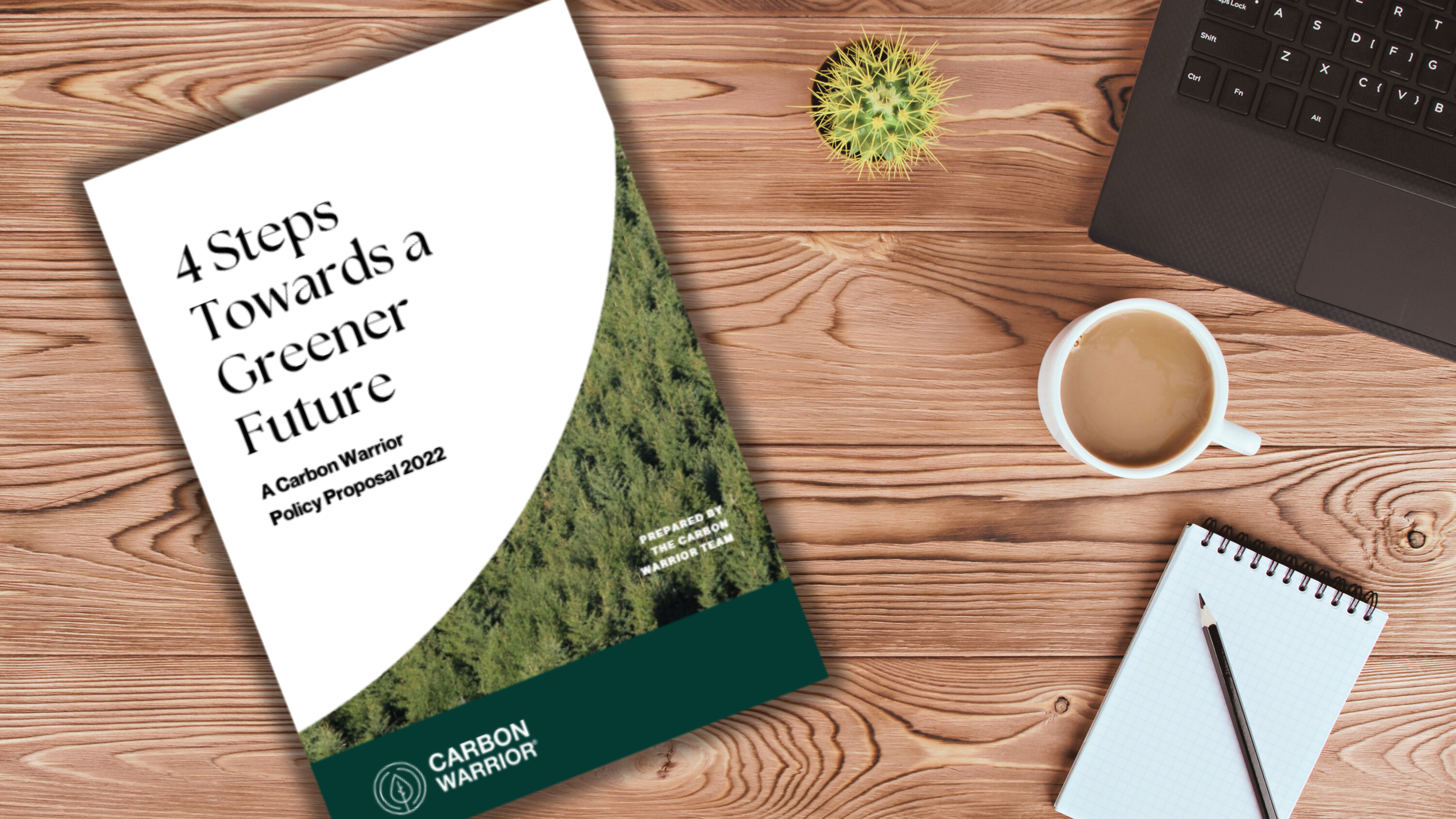
4 Steps Towards a Greener Future
4 Steps Towards a Greener Future (2022) is a focused policy framework that outlines four practical actions governments can take to rapidly reduce emissions in the built environment.
The proposal emphasises achievable, evidence-based measures that support climate goals while strengthening Australia’s housing and construction sectors.
The 4 steps aim to:
- Reduce embodied and operational carbon in buildings.
- Encourage the uptake of renewable and sustainable materials.
- Align construction policy with national and international climate commitments.
- Support a consistent, coordinated approach to climate action across jurisdictions.
This framework is designed to be clear, actionable, and scalable, providing policymakers with a roadmap to drive immediate and measurable climate outcomes.
Steps Towards a Greener Future – Expanded Report
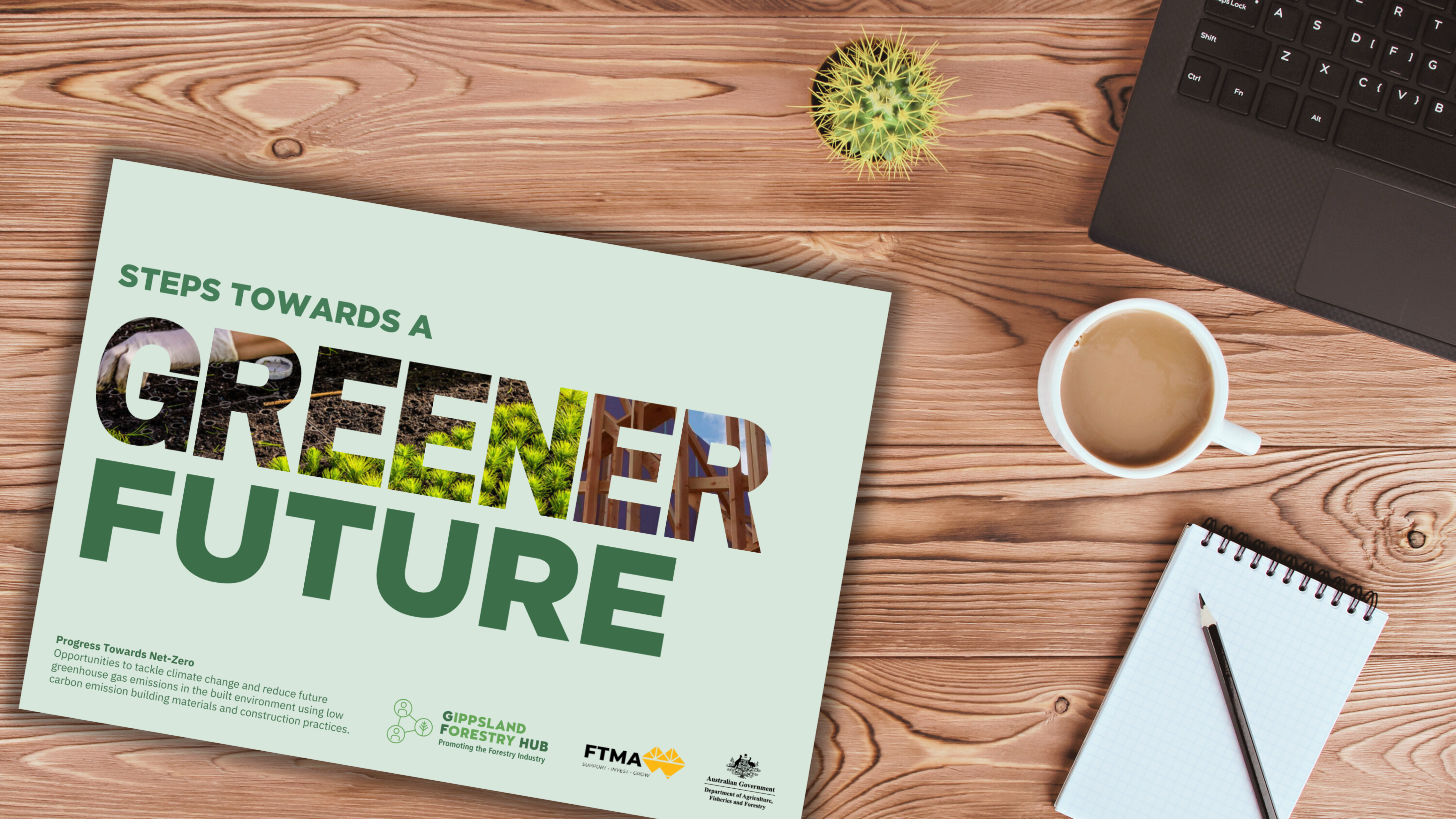
The expanded report, Steps Towards a Greener Future (2024), provides the detailed analysis, evidence base, and policy rationale underpinning the 4-step framework. It explores the environmental impact of the built environment in depth and examines how targeted policy reform can unlock substantial emissions reductions.
The report:
- Examines current gaps in Australia’s built-environment climate policy.
- Draws on global research and best-practice case studies.
- Demonstrates how renewable materials, particularly timber, can play a central role in emissions reduction.
- Outlines the economic, environmental, and social benefits of sustainable construction.
- Provides policymakers with detailed guidance to support implementation.
Together, the framework and expanded report position the built environment not as a climate liability, but as a critical lever for national climate action, supporting a greener, more resilient future for Australian communities.
The report gives clear recomendations aimed at government and policymakers to combine the concepts of Australia’s environmental targets, and as a response to the housing crisis, the National Housing Accord 2022.
Authored by Dr. Alastair Woodard (Wood Products Victoria), co-funded by the Department of Agriculture, Fisheries, and Forestry, the Frame and Truss Manufacturers Association of Australia, and the Gippsland Forestry Hub.
The Path Forward Is Clear.
Be a Carbon Warrior. Choose renewables.
Help create a greener future for all.
Copyright © 2026 Carbon Warrior